Capidava Fortress
5 km — Roman fortress on the Danube banks, 1st-7th century.
Topalu, Dobrogea — On the banks of the Danube, in the heart of Romania's oldest winemaking territory
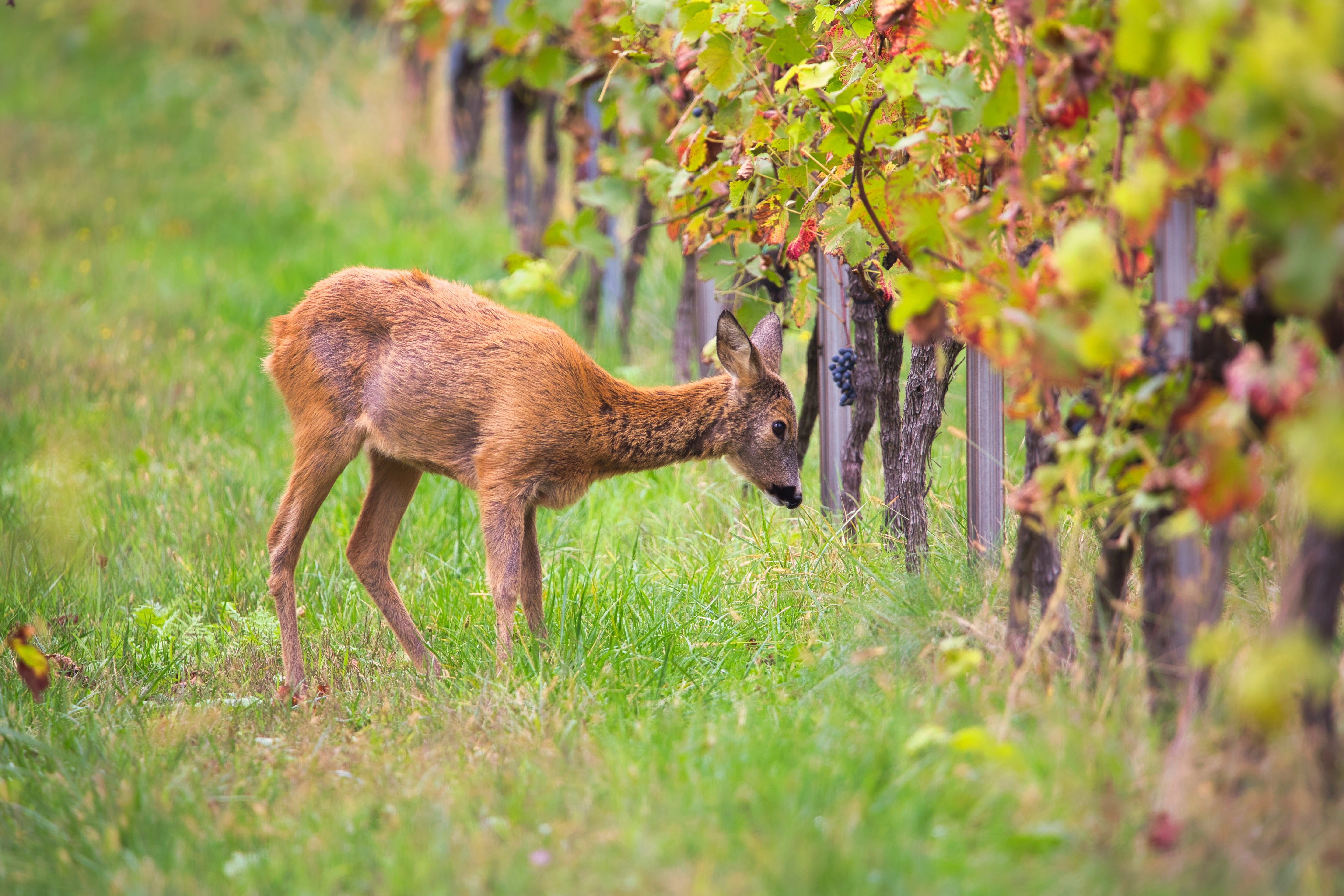
„Pe lângă cultivarea cerealelor și leguminoaselor, viticultura era practicată.”
Archaeobotanical discoveries from Tell Hârșova, published in the journal Cercetări Arheologice (2020), revealed grape seeds from the Chalcolithic period — the 5th millennium BC. These represent some of the oldest evidence of vine cultivation in Europe, anchoring local viticultural tradition in a history spanning over 6000 years.
Sursa (Tell Hârșova): Hovsepyan, Buxó Capdevila & Popovici, Cercetări Arheologice 27 (2020), DOI: 10.46535/ca.27.13Discovered in 1956 near Cernavodă, The Thinker represents the pinnacle of Hamangia culture — the first Neolithic civilization of Dobrogea. The fired clay statuette, 6000 years old (49th-48th century BC), is today the symbol of the National History Museum and the inspiration for our winery's visual identity. The Hamangia culture brought the first viticulturists to these lands — the grape seeds discovered at Tell Hârșova, from the same era, attest to the oldest traces of viticulture in Europe.
Sursa (Hamangia): MNIR (inv. 15906/15907), text curatorial Dr. Dragomir Nicolae Popovici — capodopere2019.ro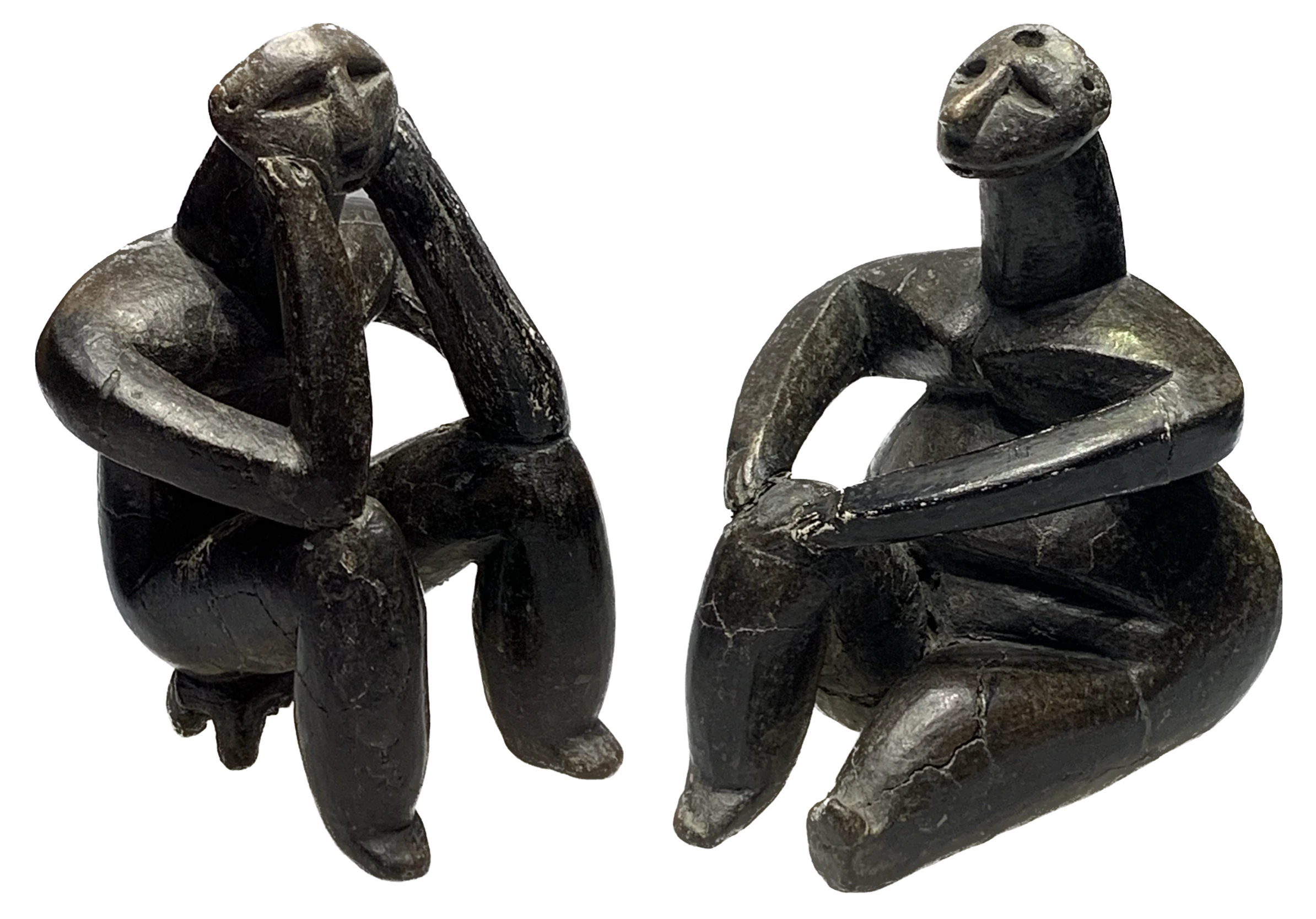

From Bucharest: A2 → Fetești exit → DN3 towards Constanța → at Cernavodă continue on DJ223 towards Topalu. Duration: ~2h 30min (190 km). Free parking at the winery.
View route on Distanta.ro
Daily routes Bucharest – Hârșova/Cernavodă (Militară Bus Station). From Hârșova/Cernavodă, taxi or rideshare to Topalu (~25 km).
View schedule on Autogari.ro
Train Bucharest North → Fetești or Medgidia. From there, taxi/rideshare to Topalu (~30-40 min).
Search on CFR Călători5 km — Roman fortress on the Danube banks, 1st-7th century.
25 km — Archaeological site with layers from Neolithic to Middle Ages.
25 km — Historic engineering monument, built 1890–1895.
25 km — Spectacular geological formations, hiking trails.